Essentials of Kayak Camping
BY BEN S., PROGRAM SUPERVISOR
Summer is in full swing and many of us are filled with that irresistible urge to get out in the sun, feel the water on our skin, and get rough and rugged. If you've already mastered our tips for the beginner kayaker and want to level up your kayaking adventures this summer, here are 7 key considerations for your first kayak camping trip.
1. Start with an Honest Self-Assessment
A big part of a successful kayak camping trip is choosing the right adventure for your skill level. Take an honest look at your skills, knowledge, and experience:
- “What’s the longest I’ve ever kayaked before and is this going to be similar?”
- “How comfortable am I with camping in general?”
- “How many times have I practiced recovering or helping someone else recover from a capsize?”
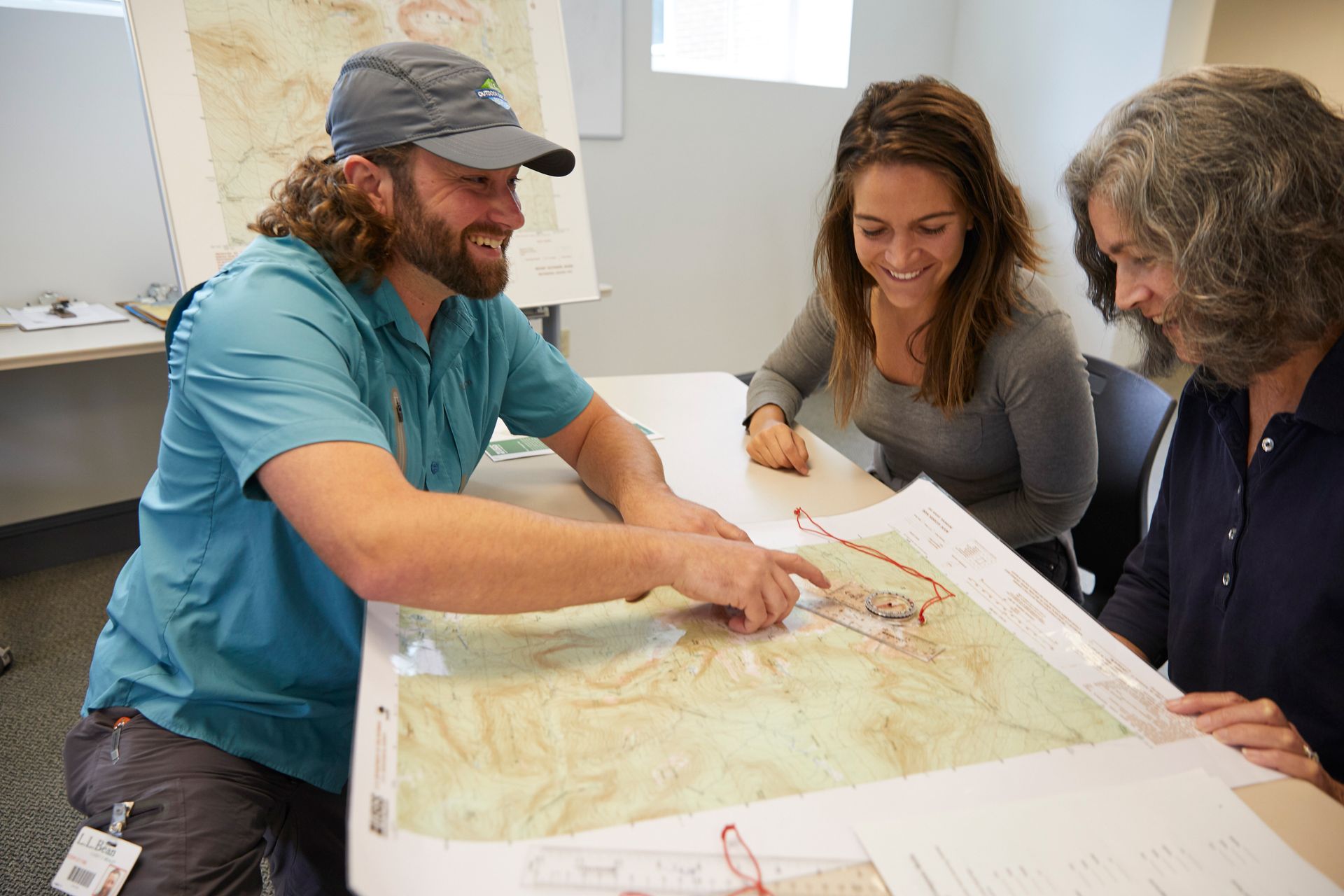
- “How confident am I navigating with a chart and compass? What’s my backup if I lose my compass?”
Only commit to stepping out of your comfort zone in one or two ways at a time. There’s no shame in planning an easy first trip and getting the basics down, then taking on more challenge with your next excursion.
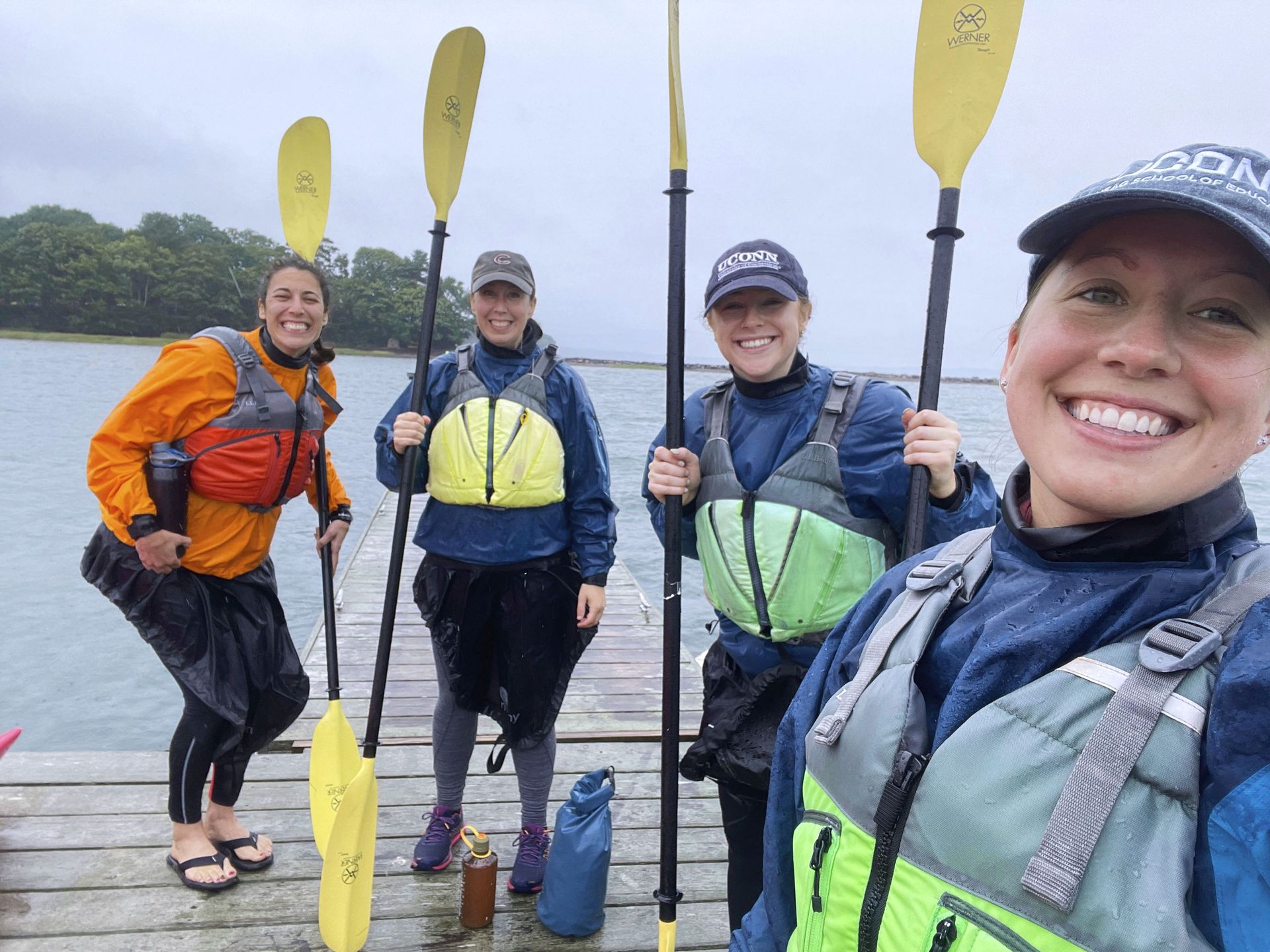
It’s also impossible to overstate the value of an experienced mentor. If you’re trying to grow into kayak camping, a great place to start is with an experienced friend or professional guide. And if coastal Maine catches your eye, consider our
Two-Night Maine Island Kayak Camping Trip as a launching point.
2. Find Your Slice of Heaven
Every region has resources that make trip planning easier. As a native New Englander, here are two of my favorite places to start my search:
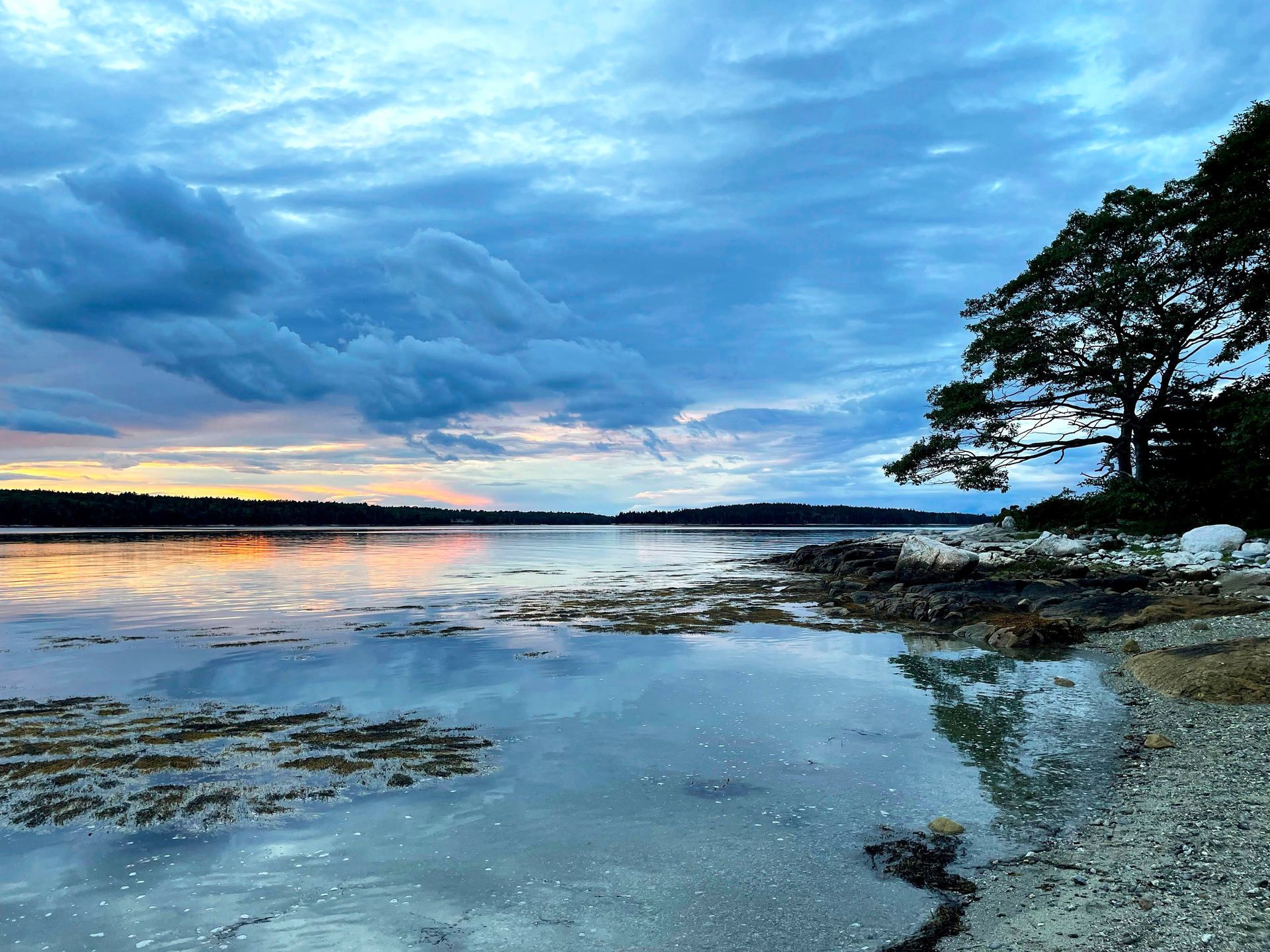
- The Maine Island Trail Association network encompasses over 200 unique sites, many of which are open to first-come, first-served camping. An annual membership will give you limitless opportunities to explore a world-class sea kayaking destination.
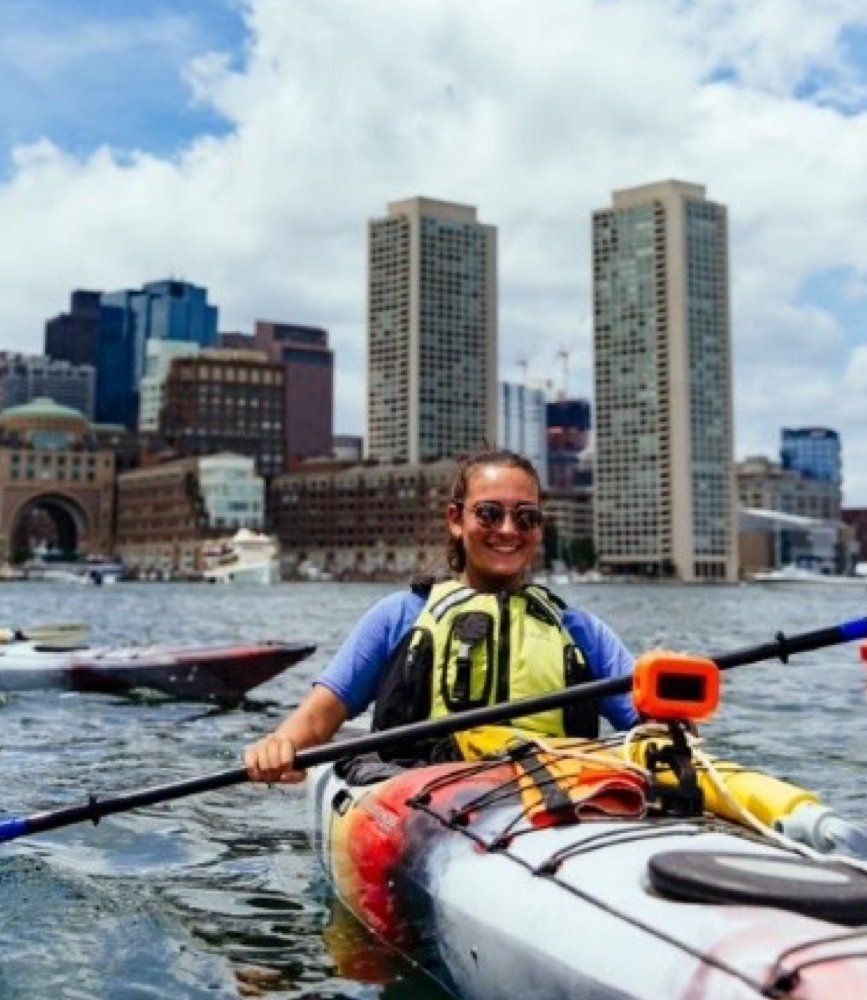
- The MA Department of Conversation & Recreation also has several great kayak camping sites. Peddocks Island in Boston Harbor offers running water and other amenities for a gentler entry into the sport. If you’re looking for a more rustic vibe, check out Washburn Island in Falmouth, MA.
3. Research Before You Launch
Though kayak camping offers a great sense of adventure and an easy way to get off the beaten path, it also offers a few unique challenges. Before heading out, it’s worth thinking about:
- Will there be a water source where you’re going? When traveling by kayak it’s common to need to pack in all your water for the trip. Standard practice is one gallon per person per day, including water for drinking, cooking, and minimal hygiene.
- Know the leave-no-trace protocol where you’re going. Will you need to carry out your waste with wag bags? Are fires allowed and, if so, where?
- Other hazards or challenges to keep in mind:
- Local conditions such as tides, currents, and commercial boat traffic
- Wildlife considerations, such as nuisance critters and site closures for nesting birds
- Parking and launch logistics
4. Pack Smart
Like many other types of camping, packing your kayak is an art. First, remember that dry hatches are not always truly dry. Plan for everything to get at least a little wet during the trip, which means avoiding cotton clothes and making sure all your food is packed in waterproof containers. Items that must stay dry should be packed in dry bags and placed as far away from your hatch openings as possible.
When it comes to physically packing your boat, remember that several small dry bags will cram into the nooks and crannies of your hatches much more easily than a couple of larger ones.
- Many items, such as cooking gear, camp shoes, and your sleeping pad, should be packed loose.
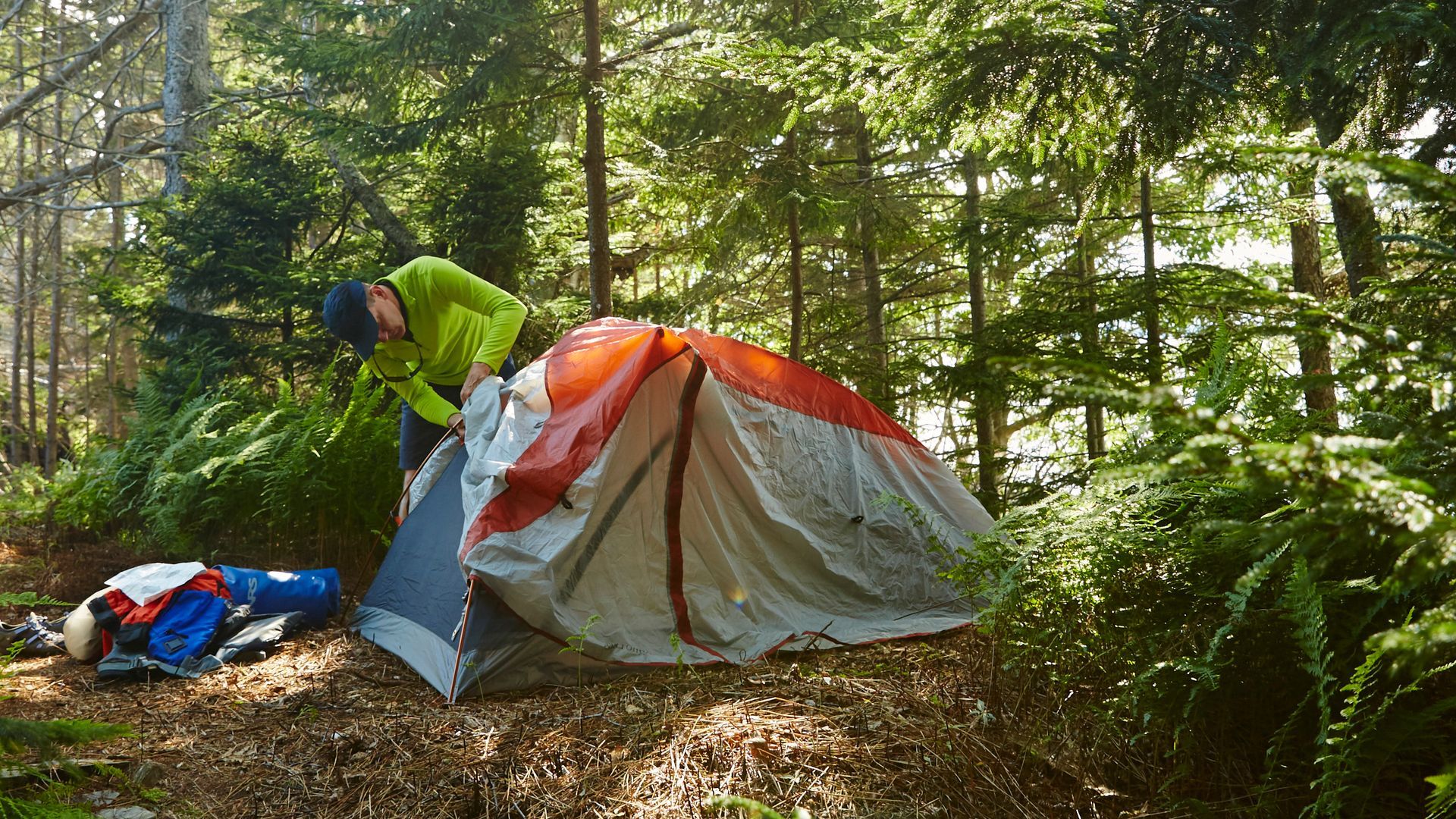
- Break the tent up into its parts and stuff them into the gaps between items.
- As you do this, remember to pack heavy items low and close to the cockpit to keep the kayak balanced.
- Make sure your urgent items are easy to access: your lunch, emergency equipment, extra layers, wag bags, etc.
- Bonus Tip: Sick of lugging countless loose items from your kayak to your campsite? Pro kayak campers swear by the jumbo Ikea bag.
And before we move on, don’t forget your:
- Signaling devices (phone, radio, whistle, etc.)
- Navigation tools—with backups
- First aid kit
- Spare paddle
- Repair kit
- Emergency insulation layers
Learn more about what to bring by checking out Essential Gear for Every Kayaking Adventure.
5. Come Back Intact
Good backcountry safety practices are universal, but here are some unique considerations for kayak camping.
First, the best piece of safety gear is a buddy. Find a partner to hit the water with you and stick together, so there will always be someone close by if you need help. It’s also worth remembering that a group of kayakers is easier for large, fast-moving boats to see than a solo paddler.
An emergency communication plan goes a long way. If you’re bringing a VHF radio, make sure you know how to use it. If you’re planning on relying on your phone, make sure it’s protected from water, which means a waterproof case and a leash.
You’re more exposed, so plan for it. That exposure offers incredible stargazing but also brings some unique considerations:
- When bad weather hits, there may not be a good place to hide. It’s wise to be very conservative when assessing forecasts.
- Paddling out to an island far from shore is committing. Decide in advance what factors will make you cancel your attempt and what your contingency plan is.
- Dress for the water temperature, not the air temperature—the body loses heat 25-30 times faster in water than in air.
- Don’t forget to pack your camera, a star chart, and anything else that’s even better when you’re away from the crowds!
6. Have a Plan You're Willing to Change
There has never been a kayak camping trip that went 100% to plan. To quote the famous proverb, “A tree that is unbending is easily broken.” When people get in trouble kayaking, it’s often because they failed to respond to changing circumstances. A good trip itinerary should:
- Build in enough buffer time for things to take 2-3 times longer than anticipated.
- Have multiple alternatives for any specific goal. For example: “We’ll plan to paddle straight across this bay. If we find strong winds when we get there, we’ll take the longer route that hugs the shore and is more protected.”
- Change. There’s no way to anticipate every shifting forecast, bad night of sleep, or unexpected moment of island magic. Let yourself flex to the realities and joys of an unpredictable environment.
And remember there’s no shame in bailing out a day early; it’s okay to not achieve every goal you set out to accomplish. Success isn’t measured by completing the original itinerary.
7. Enjoy It!
There are countless reasons why kayak camping has hooked so many people. Here are a few reasons why I’ve fallen in love with it:
- Paddlesports, and especially kayaking, can get you away from noise and crowds faster than almost any other sport. Earlier in the article I mentioned Peddocks Island in Boston Harbor. With just an hour of paddling, you can go from “in the city” to “out in the wild” and feel like you’ve left it all behind.
- In a similar vein, kayak camping gets you to some of our wildest places with a reasonable amount of effort—no sweaty slogs up mountain faces, no bush plane taxi services, no iced-up goggles.
- Kayak camping combines many different skill sets in a unique and engaging way: maritime navigation, paddling technique, trip planning, backcountry cooking, bird watching, stargazing, and more.
- Everyone sleeps better near the sound of breaking waves.
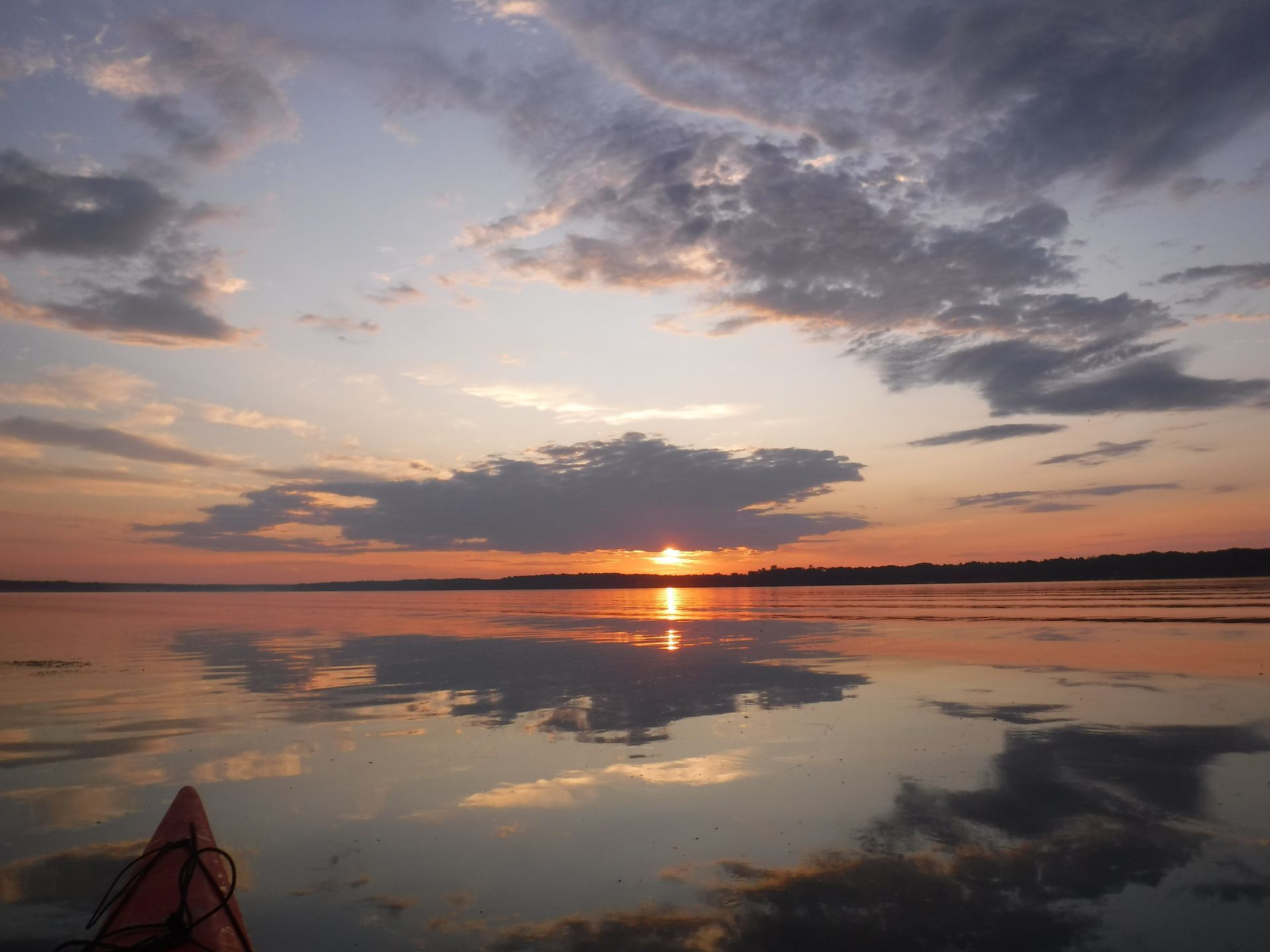
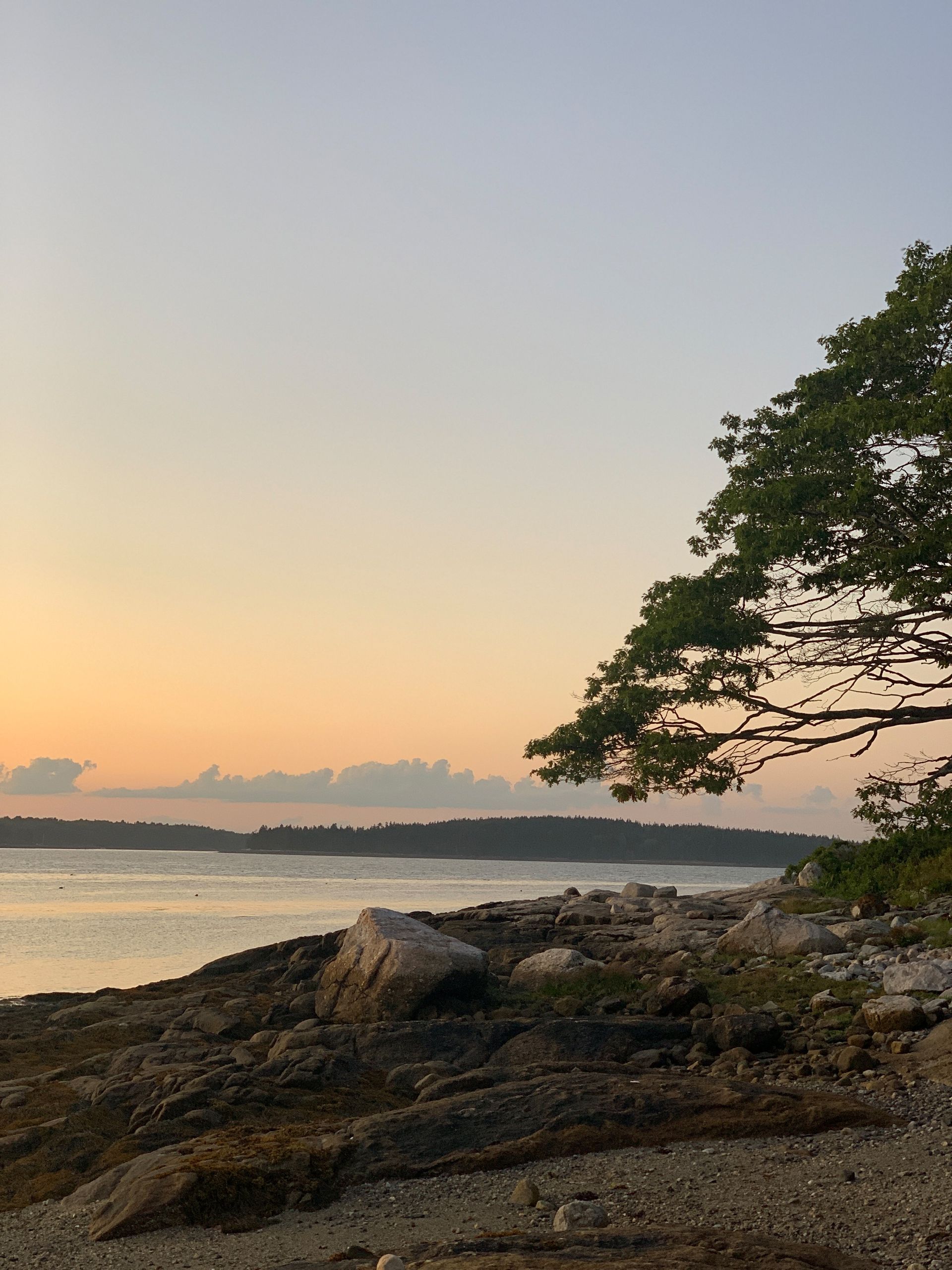
- The sunsets!
At its heart, kayak camping is about self-sufficiency, curiosity, and a healthy respect for water. If you choose a trip that matches your abilities, prepare thoroughly, and stay flexible when conditions change, you'll set yourself up for success. The islands, shorelines, and quiet campsites will still be there tomorrow, so take your time and enjoy the adventure!