Choosing the Right Fly for Northeast Freshwater Fly Fishing
BY TEDI D., PROGRAM SUPERVISOR
Fly Selection in the Northeast: Why Fly Fishing Isn't Just for Trout
Fly fishing in the Northeast is often imagined as a quiet sport practiced on cold mountain streams for wild or stocked trout. While that image certainly holds a special place in many anglers’ hearts, it only tells part of the story. The truth is that fly fishing is far more versatile—and far more widely applicable—than many people realize. Freshwater fly anglers in the Northeast can successfully target bass, panfish, pickerel, carp, and even landlocked salmon with the right flies, the right approach, and an open mind.
Understanding fly selection is the key to unlocking this wider world of species. The Northeast is home to a stunning variety of ecosystems: fast freestone streams in the Adirondacks, gentle limestone rivers in Pennsylvania, massive drainages like the Connecticut and Delaware, and the countless ponds and lakes that dot New England and New York. Each of these waters supports different forage, different conditions, and different fish behavior. And that means each rewards a thoughtful approach to fly choice.
Why Fly Selection Can Feel So Overwhelming
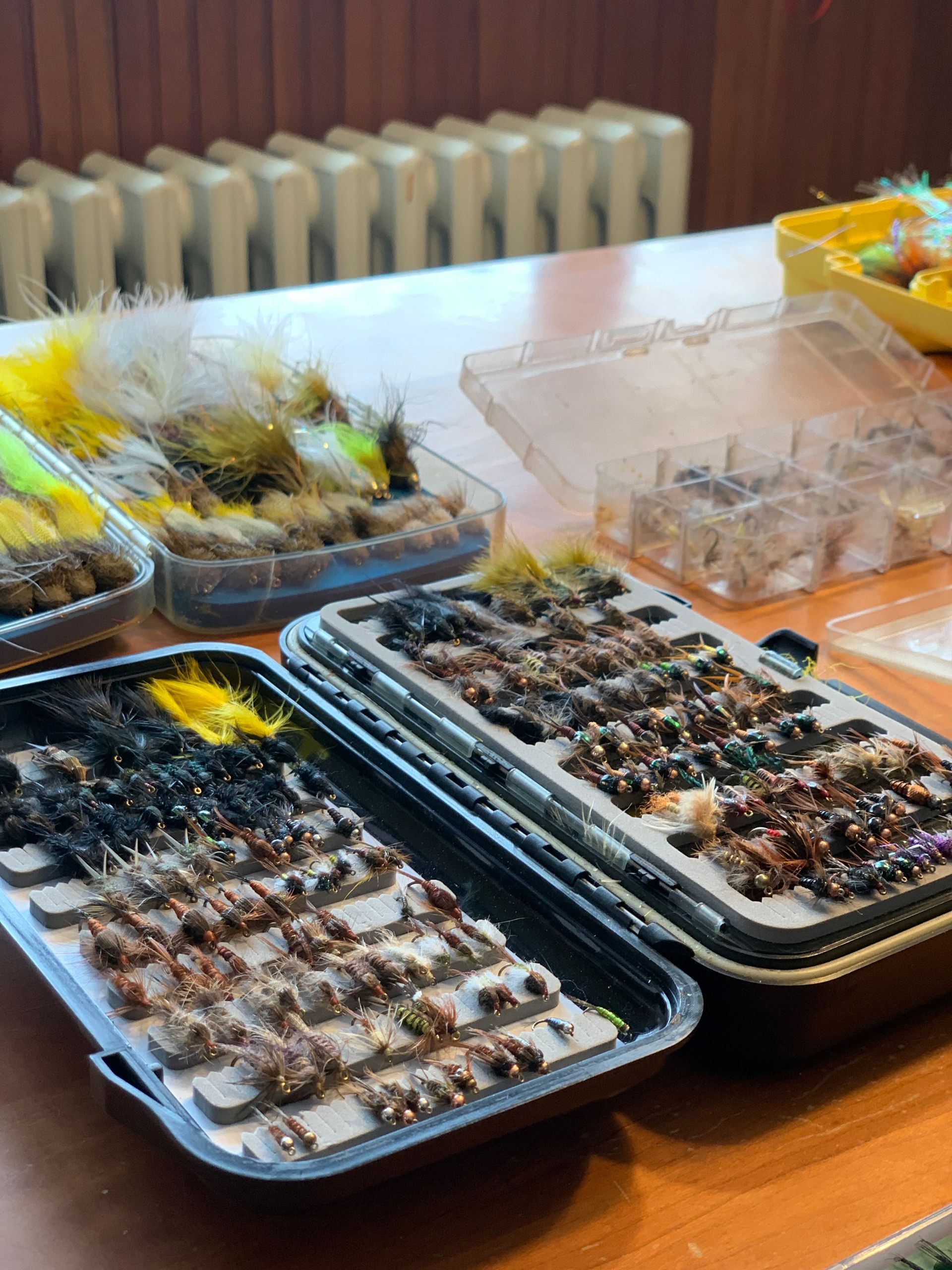
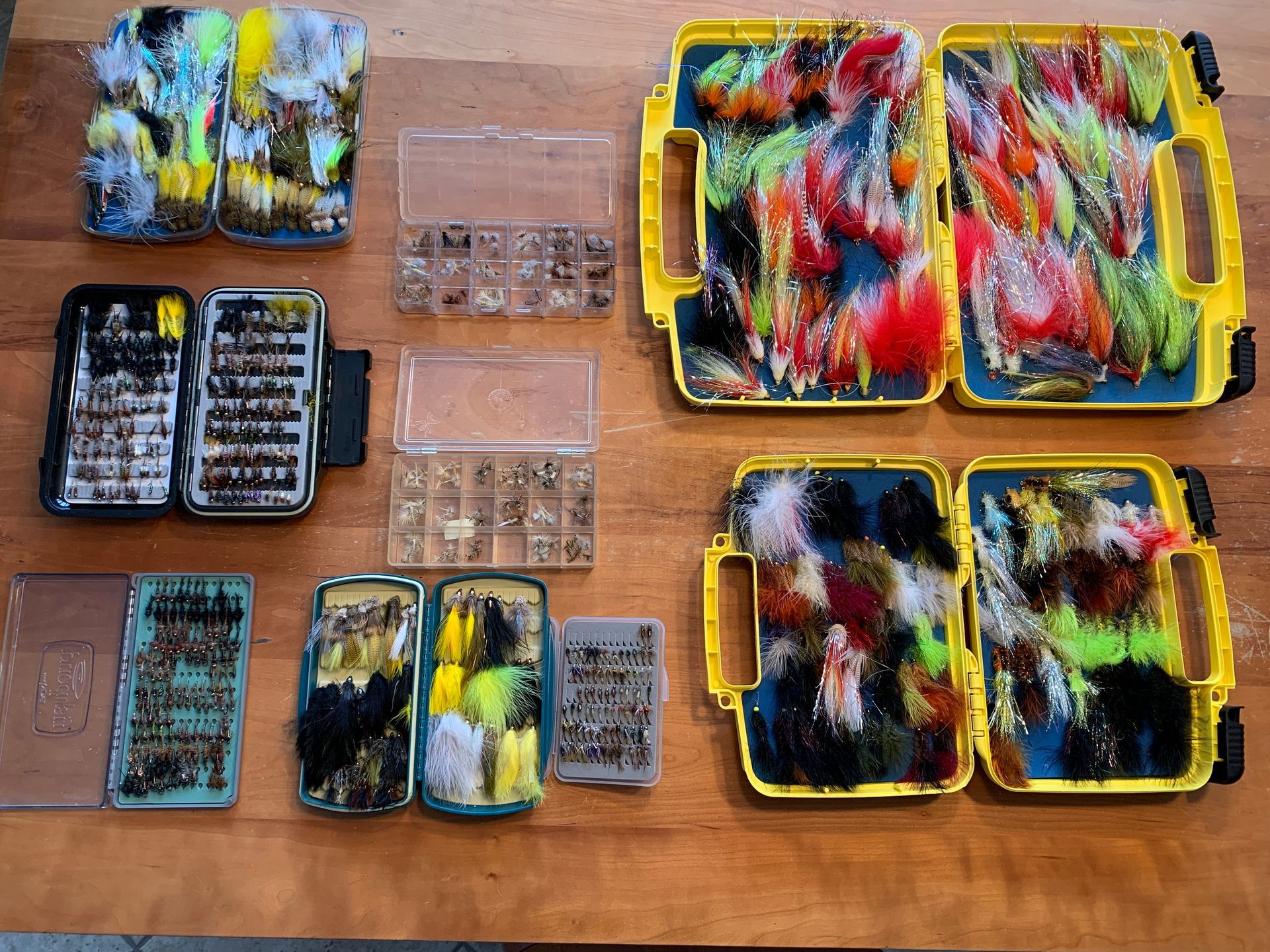
One of the first challenges new anglers face is simply choosing a fly. Walk into a fly shop—or browse online—and you’ll see hundreds of patterns in every shape, size, and color imaginable. It can be overwhelming, even for experienced anglers. Dry flies, wet flies, nymphs, emergers, streamers, terrestrials, poppers, leeches, baitfish patterns—it sometimes seems endless.
But here’s the reassuring truth: you don’t need hundreds of patterns to catch fish. You just need a basic understanding of what fish eat and a handful of versatile flies that imitate common prey. Once you know why fish choose certain foods, fly selection becomes far less intimidating and much more intuitive.
The Trout Tradition—and the Flies That Built It
Trout undeniably hold a special place in the fly‑fishing tradition, and for good reason. Northeast streams host healthy populations of brook trout, brown trout, and rainbow trout, all of which feed heavily on aquatic insects. This is why classic “match‑the‑hatch” patterns have become so iconic.
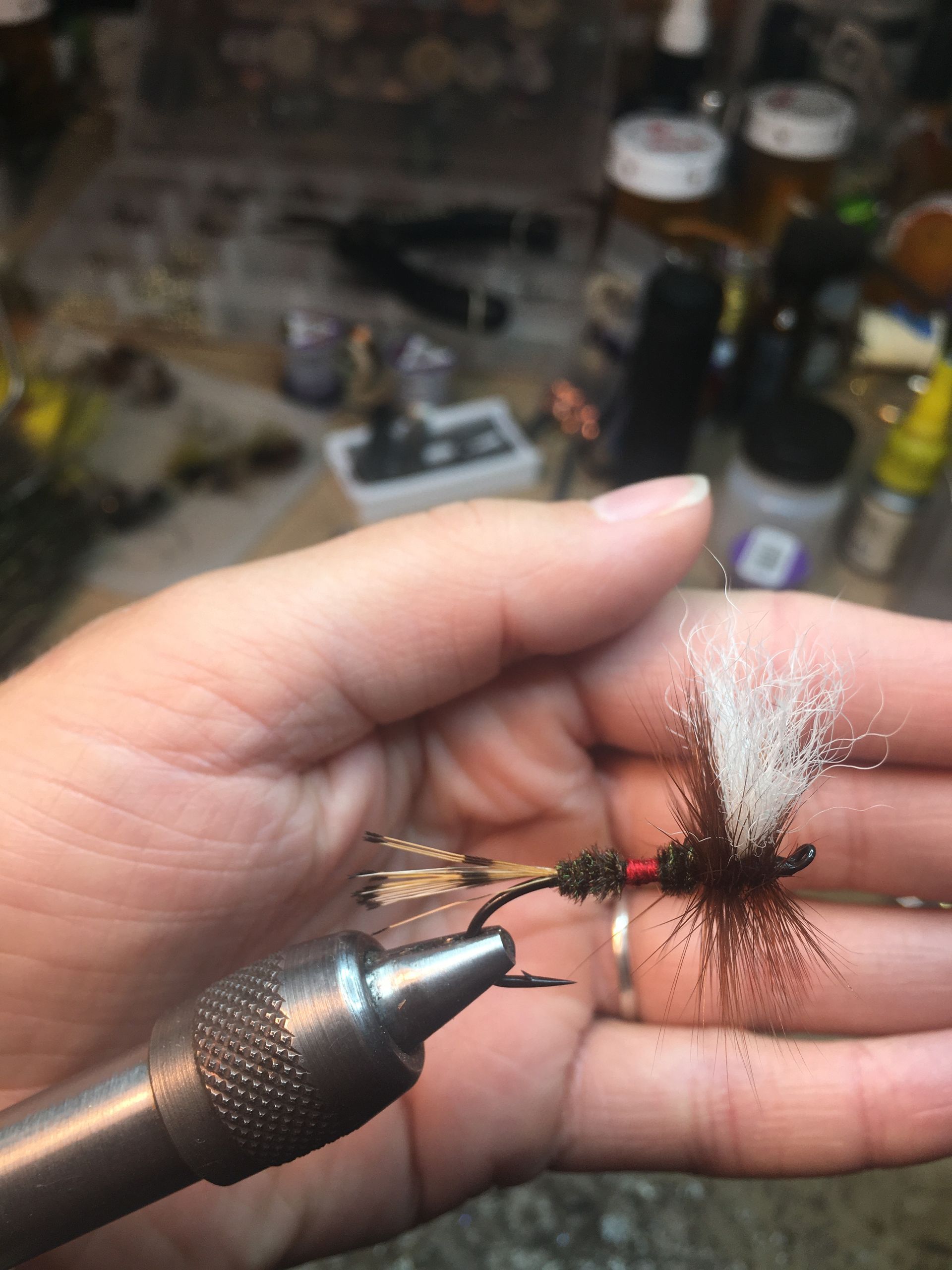
When mayflies are emerging, patterns like the Blue‑Winged Olive, Pale Morning Dun, and Adams are essential. They imitate the delicate adult forms that trout sip from the surface. During caddis hatches, the Elk Hair Caddis becomes a staple because its buoyancy and profile make it one of the most lifelike floating imitations available.
But trout aren’t always looking up. Much of their feeding happens subsurface, which is why
nymphs like the
Hare’s Ear,
Prince Nymph, and
Pheasant Tail consistently catch fish year‑round. These patterns mimic immature insects drifting along the bottom—a reliable and abundant food source in almost any Northeast river or stream.
The Misconception: Fly Fishing Is Only for Trout
Ask a non‑angler—or even many anglers—to picture fly fishing, and they’ll likely imagine someone casting delicately to rising trout. The sport’s history certainly reinforces that image: classic literature, films, and photography have centered on trout streams for decades.
But here’s the truth:
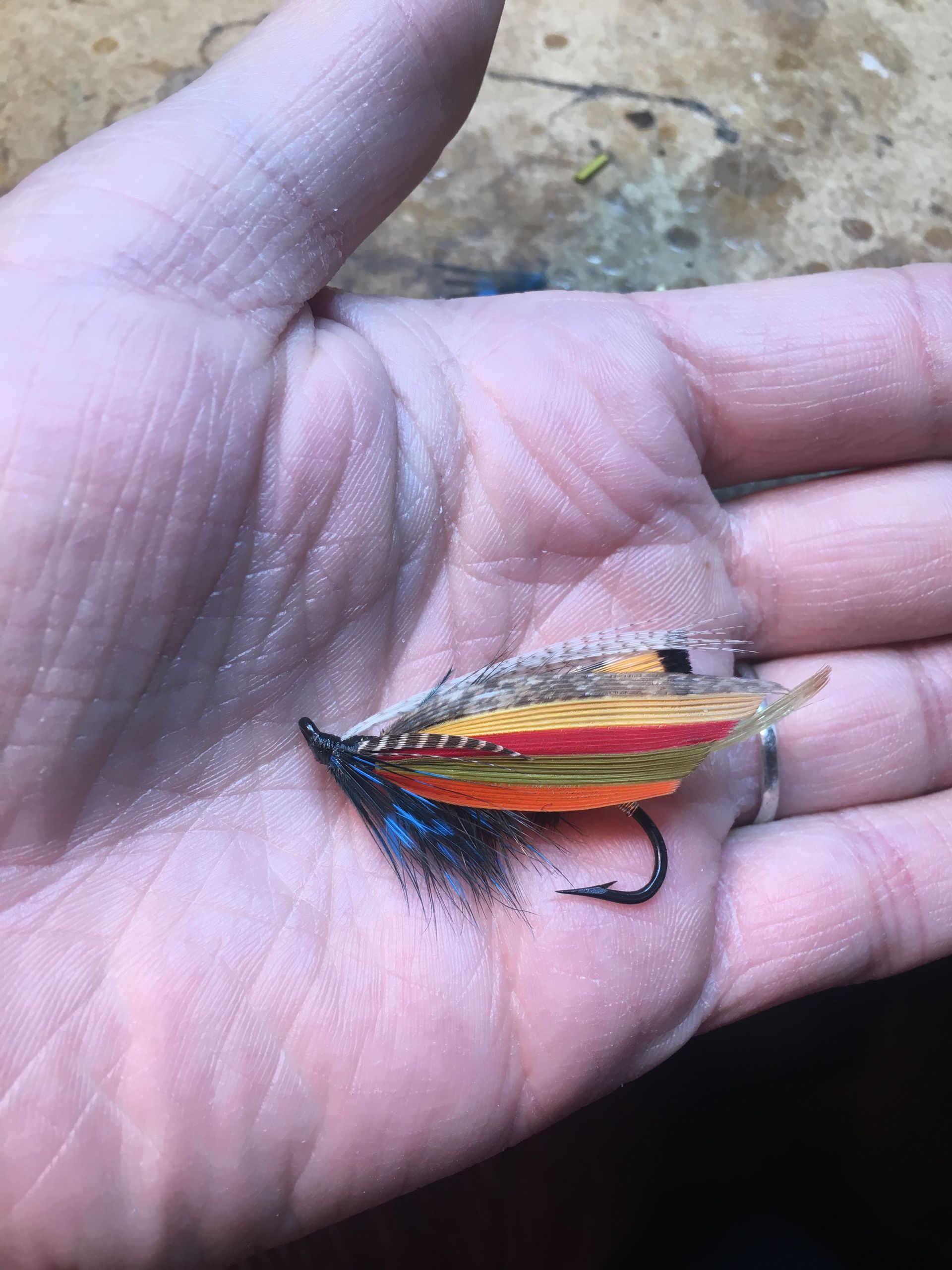
Fly fishing is simply a method of presenting a lure made of feathers, fur, and thread. It is NOT limited by species.
The Northeast’s warm‑ and cool‑water habitats hold a remarkable number of fly‑friendly species:
- Smallmouth and largemouth bass
- Panfish (bluegill, pumpkinseed, perch)
- Chain pickerel
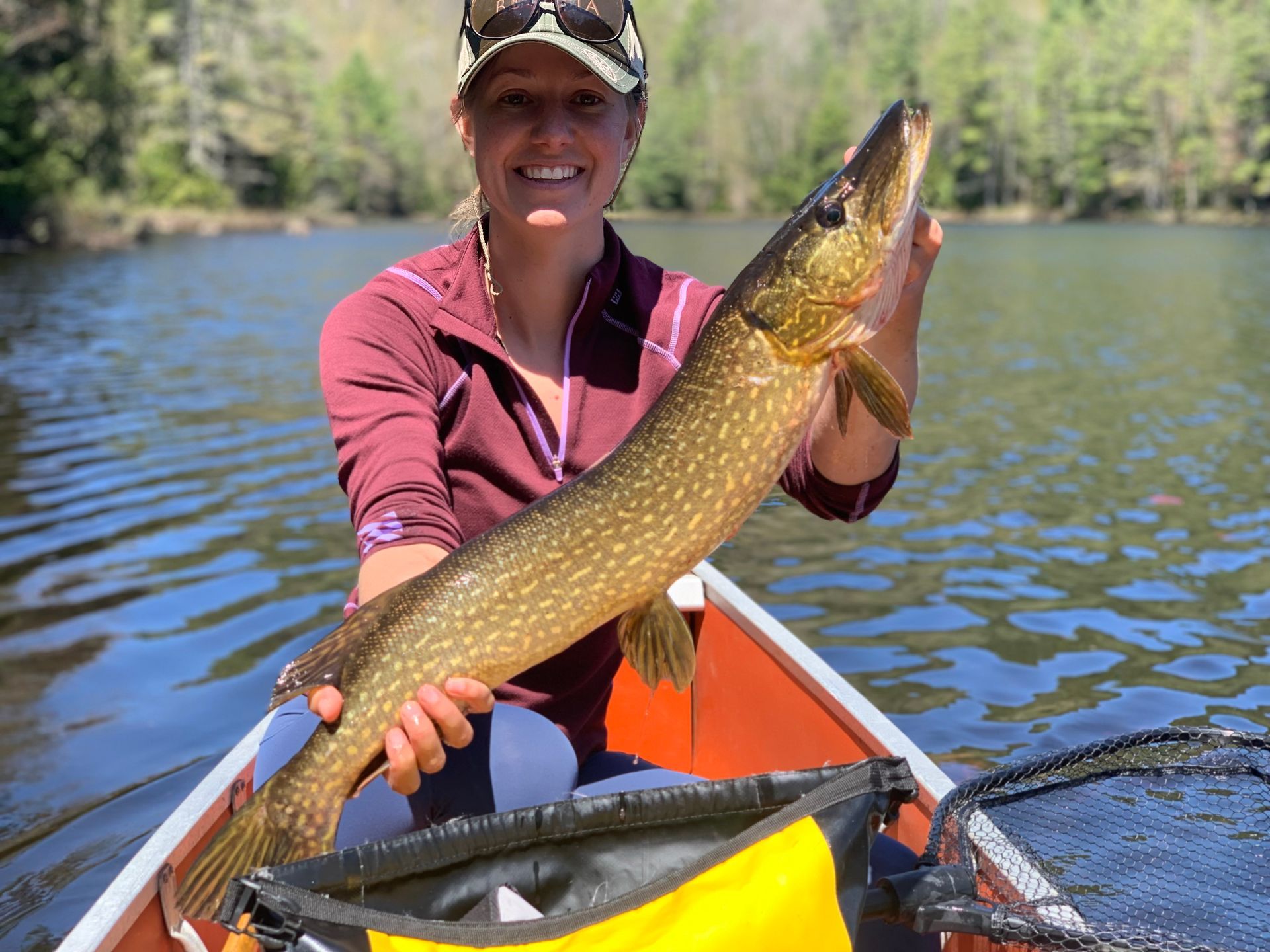
- Northern pike (in some regions)
- Carp
- Fallfish and chubs
- Landlocked salmon
- Shad (during their spring runs)
Each of these species can be targeted effectively with flies—often more effectively than with conventional tackle—when you choose patterns that mimic their natural prey.
Bass on the Fly: A Northeast Powerhouse
Bass fishing with a fly rod has exploded in popularity—and for good reason. Both smallmouth and largemouth bass readily attack streamers, surface flies, and oversized patterns meant to imitate crayfish and baitfish.
Smallmouth Bass
Smallmouth thrive in major Northeast rivers like the Delaware, Susquehanna, St. Lawrence, and Connecticut. They’re aggressive, strong, and often highly visual feeders.
Productive smallmouth flies include:
- Clouser Minnows
- Woolly Buggers
- Zonkers
- Muddler Minnows
Smallmouth often respond best to patterns that move erratically or imitate crayfish—their preferred forage in rocky rivers.
Largemouth Bass
Largemouth bass in ponds, lakes, and slow rivers love flies that create commotion or move with exaggerated lifelike action.
Great options include:
- Foam poppers
- Deer‑hair divers
- Large bunny leeches
- Big articulated streamers
Topwater bass fishing with a fly rod is one of the most exciting ways to fish in the Northeast.
Panfish, Perch, and the Quiet Joy of Small Water
While often overlooked, panfish are among the most enthusiastic targets for a fly rod. Bluegill, pumpkinseed, and yellow perch will eat small wet flies, poppers, and soft‑hackle patterns with abandon.
Effective patterns include:
- Tiny Woolly Buggers
- Foam spiders
- Soft hackles
- Micro poppers
Panfish are perfect for beginners, kids, or anyone looking to unwind. They feed frequently, fight hard for their size, and inhabit nearly every body of water in the Northeast.
Carp, Pickeral, and Beyond
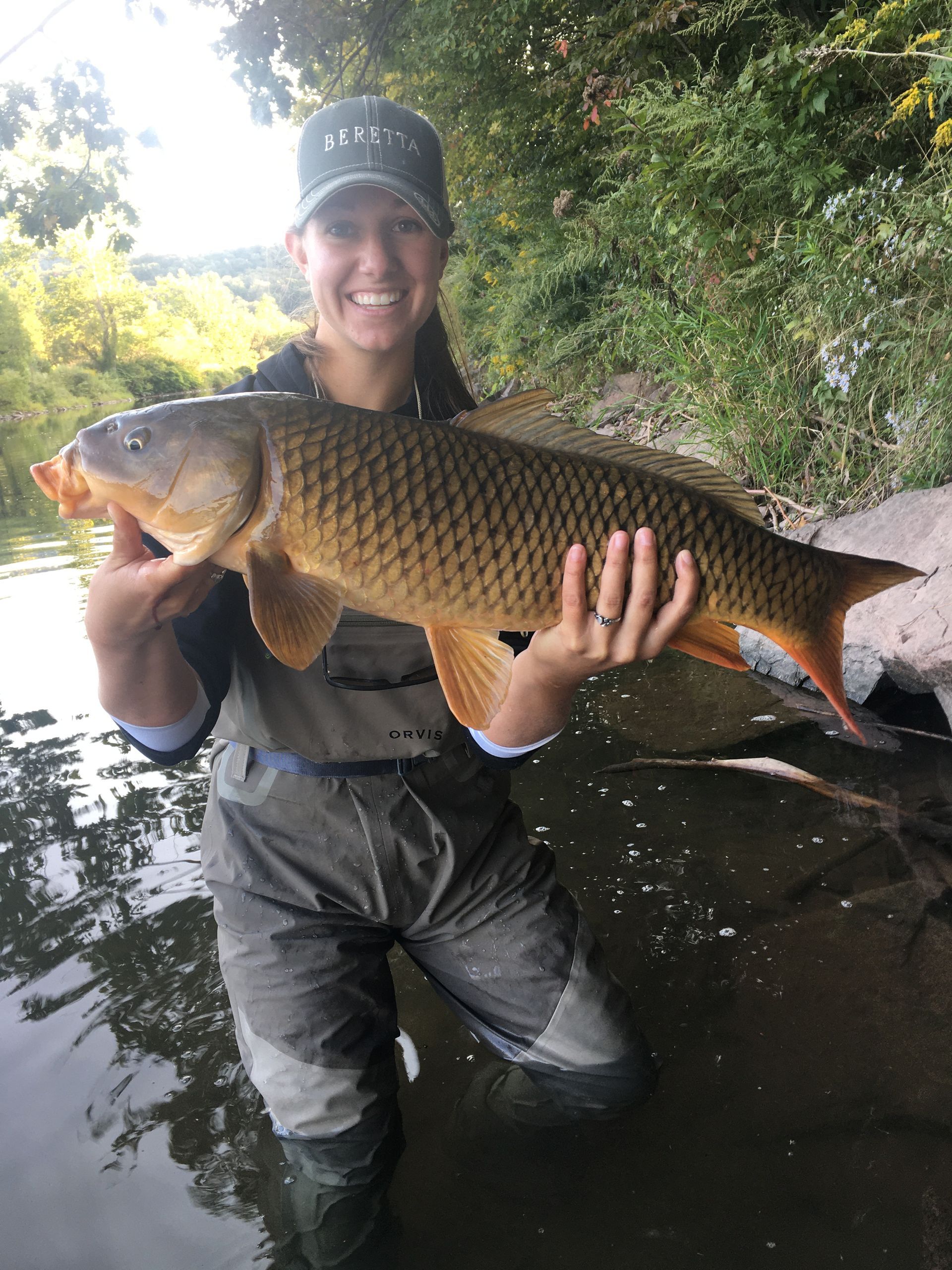
If you're looking for a challenge, carp might be the Northeast’s most underrated fly‑rod species. Smart, strong, and wary, they require precise presentations and subtle, natural flies.
Popular carp patterns include:
- Hybrid nymphs
- Backstabbers
- Small craw patterns
Pickerel, by contrast, offer fast, explosive strikes. They readily attack:
- Large streamers
- Flashy baitfish patterns
- Rabbit‑strip patterns
They may shred leaders, but they deliver unforgettable takes.
Why the Woolly Bugger Rules Them All
If I could only fish one fly for the rest of my life, it would be the Woolly Bugger—hands down.
This fly works in every season, on every water type, for nearly every species. It can imitate:
- Leeches
- Baitfish
- Nymphs
- Sculpins
- Crayfish
- Damsel or dragonfly larvae
Few flies are as versatile, durable, or consistently effective.
Learn More About Fly Fishing
If you’re interested in learning more about fly fishing—whether for trout, bass, panfish, or anything else—check out one of our
courses near you.